
Jepara Weaving Community Reviving Indonesia’s Heritage

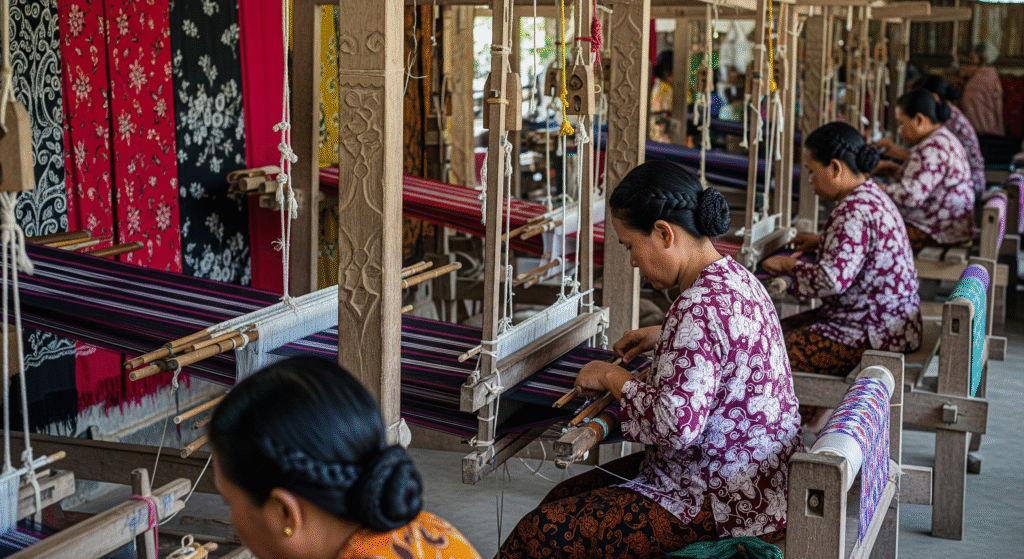
In the quiet rhythm of looms echoing through village houses in Jepara, a cultural legacy is coming back to life. Once threatened by modernization and a fading sense of tradition, Jepara’s handwoven textile art—locally known as tenun—is now experiencing a powerful revival. Behind this movement stands a determined and passionate weaving community, working not just to preserve a craft, but to restore an identity.
Located in Central Java, Jepara is globally renowned for its intricate woodcarving. But beneath that fame lies a lesser-known yet equally rich textile tradition—Tenun Troso, named after Troso village where this art is rooted. Once woven only for ceremonial occasions and local consumption, these fabrics are now sought after by fashion designers and cultural institutions both at home and abroad.
A Cultural Heritage Woven by Generations
The history of tenun in Jepara spans generations. Using traditional backstrap looms and later pedal looms (alat tenun bukan mesin), weavers—mostly women—crafted fabrics rich in motifs inspired by Javanese philosophy, nature, and folklore. Each thread told a story, and each finished fabric carried meaning beyond its aesthetic value.
In recent years, Indonesia’s Ministry of Tourism and Creative Economy has made efforts to revive this tradition through campaigns promoting cultural-based tourism and creative industries. Jepara’s weaving community quickly became a symbol of that success, with younger generations slowly returning to the craft their grandparents once mastered.
As global attention grows around preserving intangible cultural heritage such as handwoven textiles, Jepara’s story is particularly timely. This resurgence isn’t just about keeping a technique alive—it’s about economic empowerment, gender equity, and cultural resilience.
Craftsmanship in the Face of Modernization
Modernization has often been a double-edged sword for traditional crafts. The rise of synthetic fabrics, fast fashion, and machine-made textiles once pushed handwoven products to the edge of extinction. Yet, Jepara’s weavers have adapted smartly.
Today, many artisan families have transformed parts of their homes into weaving studios. Younger weavers experiment with eco-friendly dyes, modern color palettes, and even digital promotion via social media. The blend of heritage and innovation has made Troso weaving more marketable without compromising its identity.
International buyers and designers are now partnering directly with local cooperatives, ensuring fair prices and long-term relationships. “It’s not just about selling fabric,” says Ayu Lestari, a third-generation weaver. “It’s about telling the world who we are.”
The official website of Jepara District even lists weaving centers as part of its cultural tourism destinations, a sign of institutional recognition of their growing value.
From Local Threads to Global Markets
The export potential of Troso weaving is no longer just a dream. Recent collaborations with fashion brands in Japan and Singapore have proven that with the right support, these handmade fabrics can compete in the global textile market. Notably, designers are increasingly choosing Tenun Troso for eco-fashion collections and limited edition accessories.
Meanwhile, domestic demand is rising, especially among Indonesian millennials interested in products that blend style with substance. As slow fashion gains traction, handwoven textiles are being redefined as not only beautiful but also ethical and sustainable choices.
In 2024, the Jepara Weaving Community submitted a petition, supported by local NGOs and the Ministry of Culture, for Troso weaving to be added to the UNESCO Intangible Cultural Heritage list. While the application is still under review, the move has brought a new wave of pride to the region and renewed media interest.
Challenges Remain: Skills, Capital, and Recognition
Despite the optimism, challenges persist. Many older weavers are retiring, and transferring their knowledge to younger artisans is not always easy. Traditional weaving is labor-intensive and requires months of mastery—something not always compatible with younger generations’ expectations of instant rewards.
Capital is another barrier. Although the demand is growing, many weaving cooperatives still lack access to funding, proper infrastructure, and marketing tools to scale their production.
Education is essential. Not only in terms of skills, but in promoting awareness among Indonesians themselves about the value of their own heritage. Incorporating textile heritage into school curriculums, or facilitating apprenticeships, could be a game-changer.
A Future Interwoven with Identity
Jepara’s weaving revival is not just a trend. It is a movement to reclaim cultural identity in an increasingly globalized world. The strength of this movement lies in the people—the weavers, designers, activists, and community leaders who understand that culture is not something to be stored in museums, but something to be lived and worn.
As the Jepara Weaving Community continues to grow, it offers a model for other regions facing similar cultural threats. Reviving traditional crafts doesn’t require rejecting progress; it requires anchoring progress in values, stories, and textures that have meaning.
Read Also
- 10 Motif Tenun Jepara yang Paling Dicari Desainer – Explore the symbolism behind the most iconic Troso weaving patterns and why top designers love them.