
Troso Weaving: Preserving the Cultural Heritage of Jepara

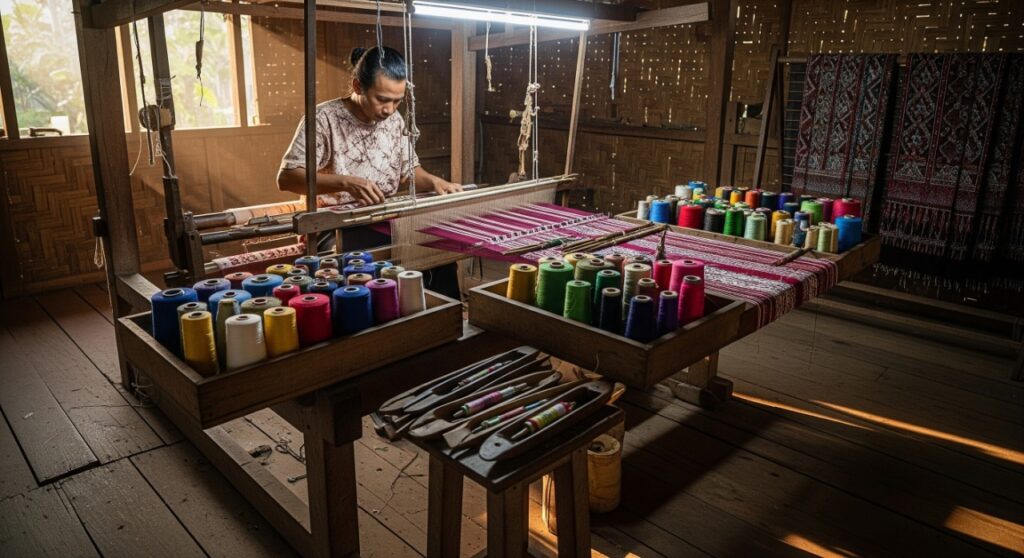
Troso weaving is one of Indonesia’s most valuable cultural heritages, originating from the village of Troso in Jepara, Central Java. This intricate handwoven textile has been passed down through generations, reflecting the artistry, patience, and dedication of the weavers.
The Origins of Troso Weaving
Troso weaving has been practiced for centuries, dating back to the early spread of weaving culture in Java. The craft is believed to have been influenced by traders from other parts of Asia, bringing unique weaving techniques that were later adapted by local artisans.
Unique Characteristics of Troso Weaving
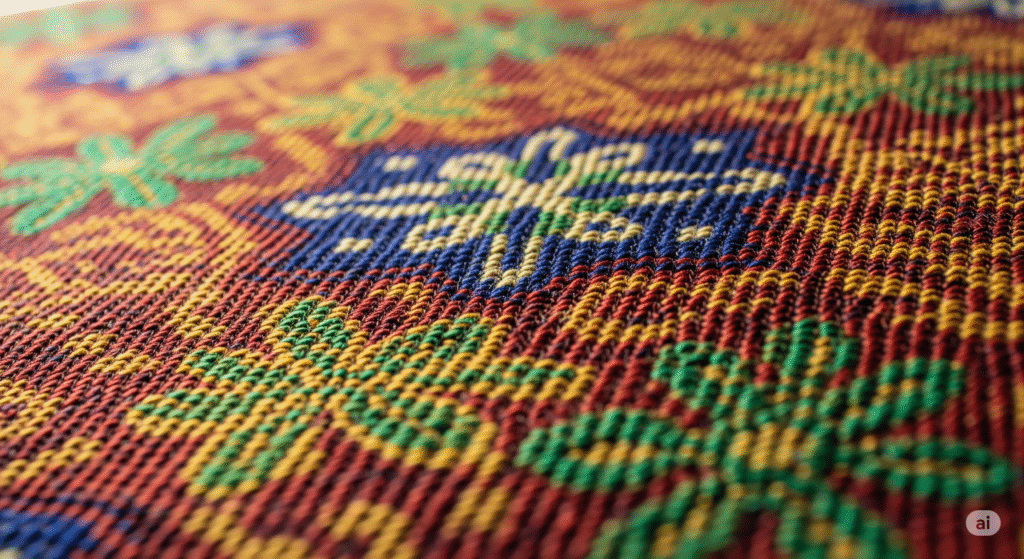
Troso weaving is distinct due to its complex motifs and manual weaving techniques. The patterns are often inspired by nature, local folklore, and Javanese philosophy, making each piece a work of art.
Some popular motifs include:
Parang – symbolizing courage and strength.
Sido Mukti – representing prosperity and harmony.
Bunga Sepatu – inspired by the hibiscus flower.
For more information about Troso weaving, you can visit Jepara Weaving House — a dedicated platform for promoting and preserving this heritage.
The Process of Making Troso Weaving
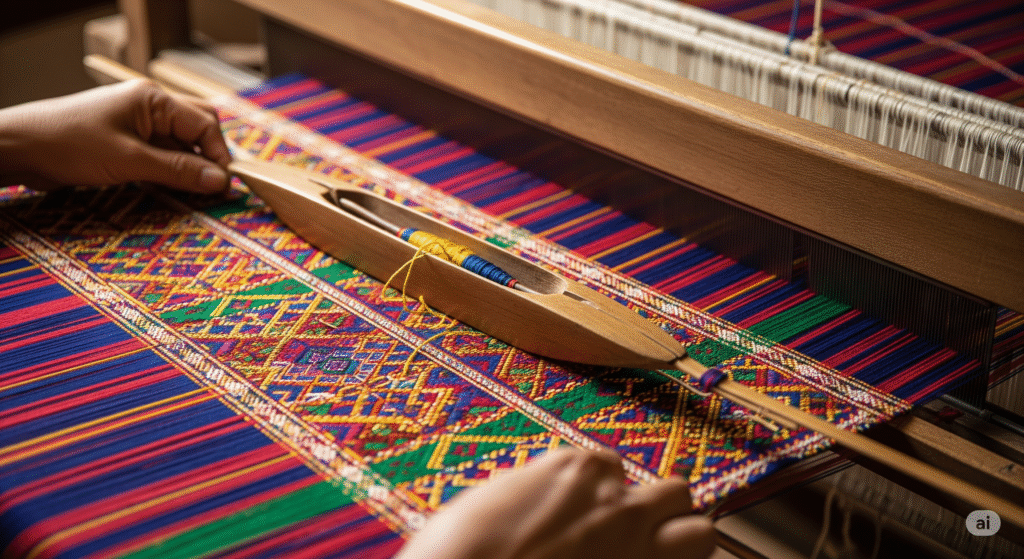
Creating Troso weaving is a labor-intensive process, often taking days or even weeks to complete. The steps include:
Thread preparation – Selecting and coloring the threads using natural or synthetic dyes.
Pattern arrangement – Setting the warp and weft threads according to the desired motif.
Weaving on a traditional loom – The artisan weaves each thread by hand, ensuring precision and pattern accuracy.
You can also read more about traditional weaving techniques on Indonesia’s Ministry of Tourism & Creative Economy website.
Troso Weaving in Modern Times

Today, Troso weaving is not only used for traditional clothing but also adapted for modern fashion, interior design, and home décor. Designers worldwide have started incorporating Troso fabrics into their collections, giving this heritage a global spotlight.
Troso weaving is more than just a fabric — it is a story of heritage, artistry, and cultural pride. Supporting this craft means preserving a part of Indonesia’s identity for future generations.
Read Also
- 10 Motif Tenun Jepara yang Paling Dicari Desainer – Explore the symbolism behind the most iconic Troso weaving patterns and why top designers love them.